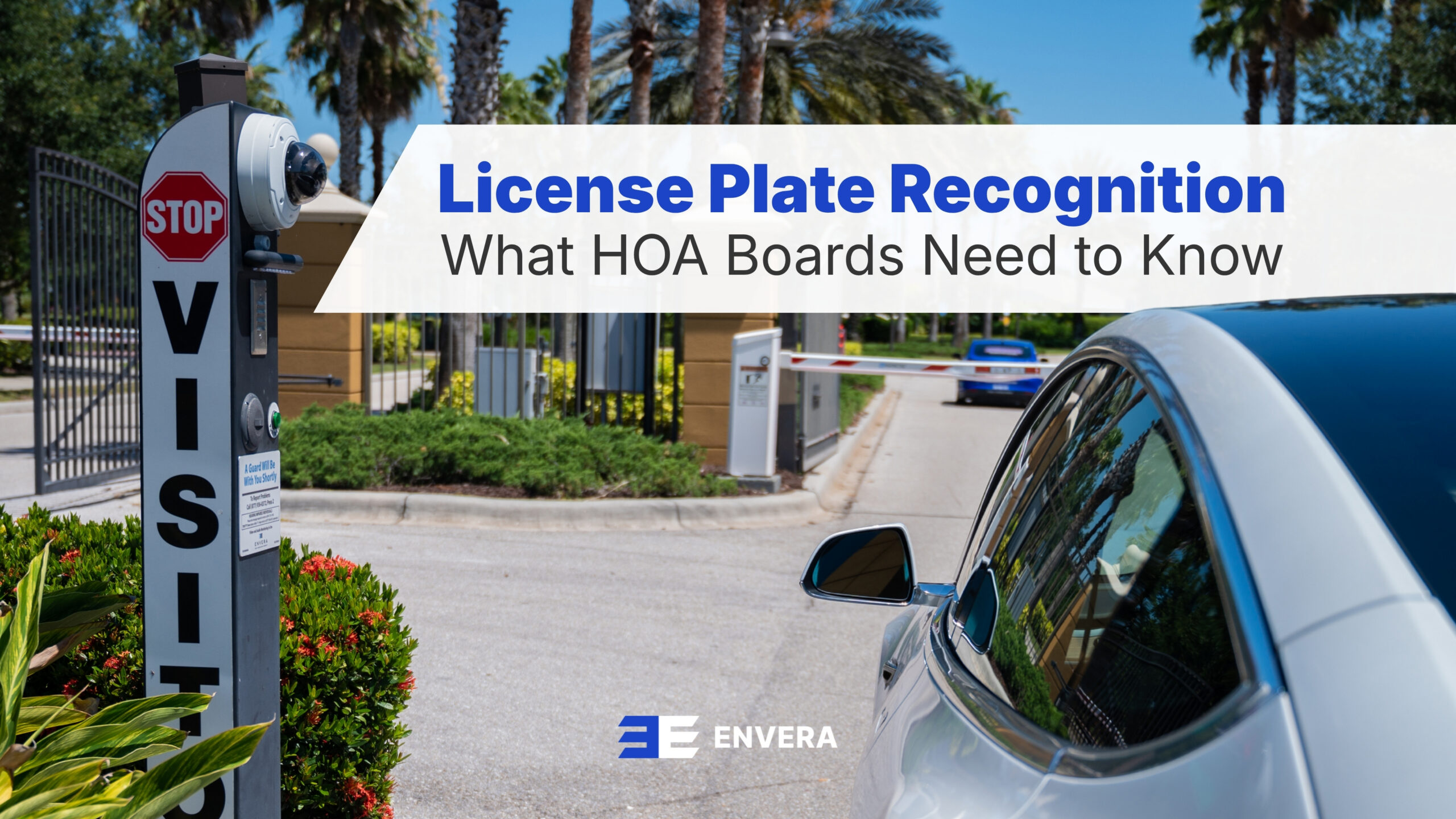
License Plate Recognition (LPR) technology has quickly become one of the most talked-about security tools for HOAs and gated communities. From tracking vehicles entering a property, to helping investigate incidents after they happen, LPR systems can absolutely improve community visibility and security.
It’s a powerful tool. But a tool isn’t a strategy, and if someone’s only offering you LPR, there are gaps they’re not talking about.
For HOA boards comparing security options, it’s important to understand where LPR works best, where it falls short, and why layered security solutions provide stronger protection overall.
What license plate recognition actually does
LPR cameras automatically capture and read vehicle license plates as cars enter or exit a community. Most systems can record plate numbers, timestamp vehicle activity, store searchable vehicle records, and alert on vehicles tied to watch lists or law enforcement databases.
For communities, this creates a useful digital log of vehicle activity that can help during investigations or suspicious incidents.
What LPR is great for
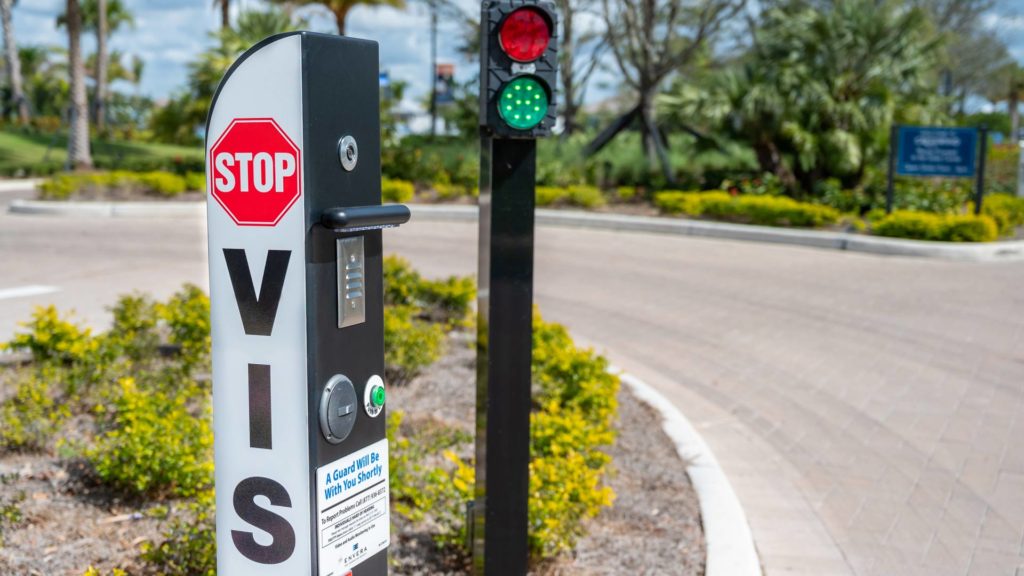
LPR technology can be effective in the right situations.
Open communities without gates
In communities where vehicles can enter freely, LPR provides visibility that otherwise wouldn’t exist. It creates accountability by documenting vehicle traffic automatically.
Investigating incidents
Instead of manually reviewing hours of footage, boards and property managers can quickly search vehicle records by plate number, date and time, or entry and exit activity. For after-the-fact investigations, that’s a real advantage.
Supporting local law enforcement
Some LPR systems can integrate with law enforcement databases to help identify stolen vehicles or those connected to active investigations.
Where LPR alone falls short
It records. It doesn’t intervene.
LPR cameras document activity, but they do not actively stop unauthorized access or suspicious behavior in real time.
LPR can’t:
- Verify who is driving
- Prevent tailgating
- Manage visitors
- Interact with guests or vendors
In many cases, the footage becomes useful only after an incident has already occurred.
It doesn’t cover amenities or deliveries
Communities today need to secure more than vehicle entrances. Pools, clubhouses, package rooms, and fitness centers all create additional security challenges.
LPR alone does not manage:
- Amenity access
- Package theft monitoring
- Visitor management
- Resident credential verification
As online shopping and third-party deliveries continue to increase, package theft and unauthorized access to common areas have become growing concerns for many associations. Communities today need solutions that not only document activity, but also help actively manage who is entering the property and why.
Privacy concerns are real.
While implementing License Plate Recognition (LPR), boards should also understand how vehicle data is stored and whether it is shared with outside networks or agencies. Transparency is key when it comes to an adjustment for communities, not only because it’s an unfamiliar product, but because residents are far more likely to support security upgrades when they truly understand how the technology works and how their privacy is being protected.
Ultimately, security technology should enhance peace of mind, not create uncertainty.
What a strong security strategy looks like
The strongest communities use layered security rather than relying on a single technology.
A truly integrated approach includes:
- LPR at the perimeter
- Virtual guards at gates
- Active video surveillance
- Resident access management apps
- Amenity monitoring
Each layer fills gaps the others can’t cover alone.
For example:
- LPR identifies vehicles
- Virtual guards verify visitors
- Active surveillance responds to suspicious behavior in real time
- Resident apps improve guest and delivery management
That combination creates a more complete security strategy. It’s the approach we’ve spent 18 years refining at Envera, and it’s why our communities don’t just feel safer. They are safer.
Real-world example: Package theft
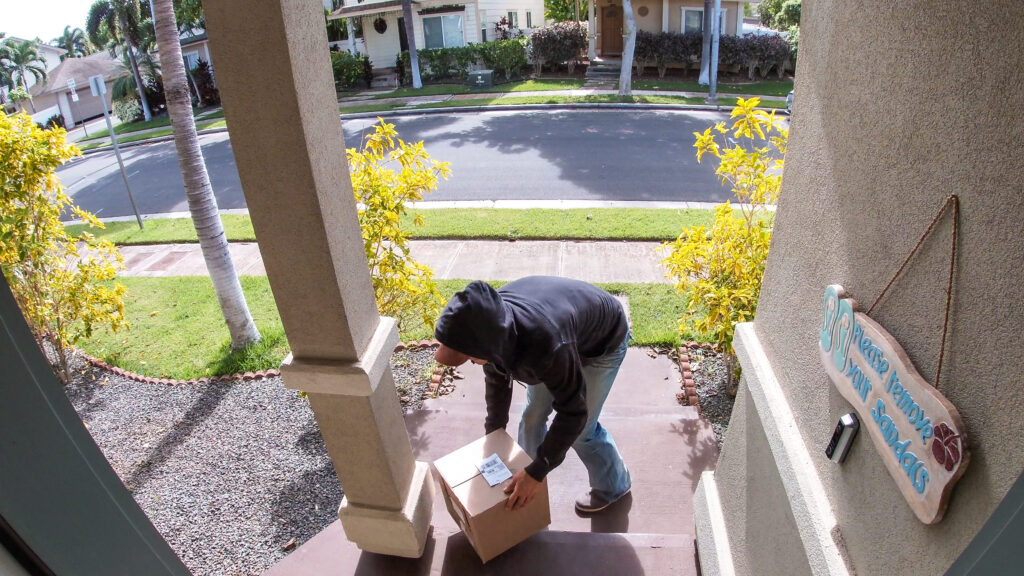
In an LPR-only community
The HOA may be able to identify a vehicle that entered around the time of the theft. That’s useful, but the theft still happened. The board is left coordinating police follow-up, conducting their own investigation, and communicating with frustrated residents.
In a layered security community
An integrated system works differently. LPR flags the vehicle. Access records show exactly when and where entry occurred. Active surveillance may have caught suspicious behavior before the theft happened. Security personnel can be alerted in real time. Instead of piecing together what occurred after the fact, the community has the tools to respond, and potentially prevent, the incident altogether.
The honest math on LPR vs. layered security
LPR-only systems can look attractive on paper. But boards often find they still need visitor management, amenity security, active monitoring, and access control to actually protect their community. Those additions come with their own costs.
The better question isn’t “how much does security cost?” It’s “what gaps still exist if we only solve part of the problem?” A layered approach costs more upfront. An incomplete one tends to cost more in the long run.
The bottom line
LPR is a valuable piece of the puzzle. But it’s just one piece. The communities that protect their residents most effectively combine LPR with active monitoring, visitor management, surveillance, and access control into a strategy that doesn’t just record what happened. It helps prevent it.
Ready to evaluate your community’s security gaps?
Not sure where your current security strategy has blind spots? We’ll walk you through it. Schedule a 20-minute walkthrough with Envera and we’ll help you identify what’s covered, what’s missing, and what a smarter approach could look like for your community.